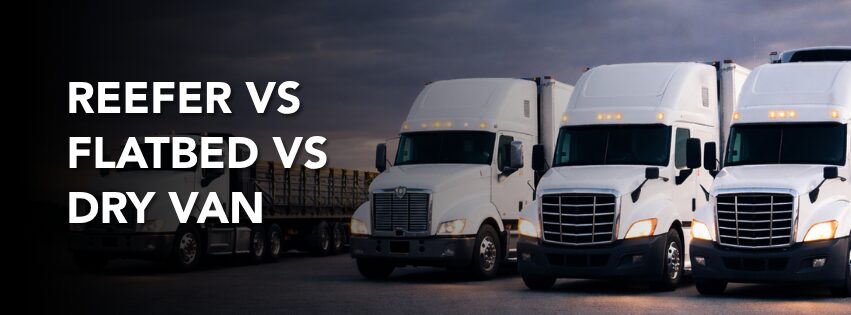
Reefer vs Flatbed vs Dry Van: Which Makes the Most Money?
The trucking type that makes the most money depends on more than just rates. Reefer, flatbed, and dry van trucking each offer different earning potential based on freight demand, operating costs, and payment speed. While reefer trucking and flatbed trucking loads often pay higher rates, dry van trucking can offer more consistent volume.
However, the most profitable trucking niche is ultimately determined by cash flow, expenses, and how quickly you get paid.
Jump to the Good Stuff
No matter what you haul, getting paid faster is what determines how much you can actually grow.
If you’re running a trucking business—or thinking about starting one—you’ve probably asked:
Which trucking type actually makes the most money?
Reefer, flatbed, and dry van trucking all have different advantages. Some pay higher rates per load, while others offer more consistent freight.
But here’s what most comparisons miss:
It’s not just about how much you make per load. It’s about how much you keep and how fast you get paid.
Reefer vs Flatbed vs Dry Van: What’s the Difference?
| Trucking Type | Average Rates | Freight Availability | Operating Costs | Payment Speed |
|---|---|---|---|---|
| Reefer Trucking | High | Medium | High | Slow |
| Flatbed Trucking | Medium–High | Medium | Medium | Slow |
| Dry Van Trucking | Medium | High | Lower | Slow |
Reefer Trucking: High Rates, Higher Costs
Reefer trucking is often considered one of the highest-paying segments in the industry.
Because refrigerated freight is time-sensitive and requires specialized equipment, rates are typically higher than other freight types.
Pros:
- Higher-paying loads
- Consistent demand (food, pharmaceuticals)
- Premium freight opportunities
Cons:
- Fuel costs are significantly higher
- Equipment maintenance (reefer unit)
- Tighter delivery requirements
Learn more about reefer trucking factoring.
Flatbed Trucking: Strong Rates with Flexibility
Flatbed trucking offers solid earning potential, especially for oversized or specialized loads.
It requires more hands-on work, but that effort can translate into higher pay.
Pros:
- Higher rates for specialized loads
- Less competition than dry van
- Flexible freight types
Cons:
- Load securement required
- More physical labor
- Inconsistent load availability
Explore flatbed trucking factoring options.
Dry Van Trucking: Volume and Consistency
Dry van trucking is the most common type of freight in the industry.
While rates per load may be lower than reefer or flatbed, the consistency and volume can create steady income.
Pros:
- High load availability
- Easier to scale
- Lower operating complexity
Cons:
- Lower rates per load
- Higher competition
- Longer payment cycles
See how dry van trucking factoring works.
What Actually Determines Profitability in Trucking
Most comparisons stop at rates—but that’s not what determines profitability.
What really matters:
The Hidden Factor: Cash Flow
No matter what you haul, cash flow is what determines if you can actually grow your trucking business.
You can be running high-paying reefer loads or steady dry van freight—but if you’re waiting weeks to get paid, it slows everything down.
- Fuel still needs to be paid
- Repairs don’t wait
- Payroll doesn’t pause
How Freight Factoring Impacts Every Trucking Type
Freight factoring helps trucking companies turn completed loads into immediate cash.
Instead of waiting 30–60 days, you can:
- Get paid within 24 hours
- Cover fuel, payroll, and repairs
- Take on more loads without cash flow gaps
Learn more about freight factoring for trucking companies.
Which Trucking Type Makes the Most Money? (Final Answer)
There isn’t a single “best” trucking type for making money.
- Reefer trucking can generate higher rates
- Flatbed trucking offers strong earning potential
- Dry van trucking provides consistent volume
But the most profitable trucking business is the one with strong cash flow and fast access to revenue.
No matter what you haul, getting paid faster is what keeps your business moving.
Get started with freight factoring today.