What To Do After Your MC Number Goes Active
Once your MC number goes active, your trucking company can begin booking loads, completing broker setup packets, managing fuel costs, and hauling freight legally. New authorities should focus on finding reliable brokers, staying FMCSA compliant, protecting cash flow, running broker credit checks, and using tools like freight factoring and fuel cards to keep operations moving during the first 90 days.
Need help after MC activation? Explore New Authority Freight Factoring and Fuel Cards for New Authority Trucking Companies.
What New Trucking Companies Need to Do After MC Activation
What Happens Immediately After Your MC Number Goes Active?
Most new authorities immediately face questions like:
- How do I find loads?
- Which brokers will work with a new authority?
- How do I afford fuel while waiting to get paid?
- What is freight factoring?
- How do broker setup packets work?
- What happens if a broker doesn’t pay?
- How do I stay compliant after getting authority?
The reality is that the first 90 days after your MC number becomes active are some of the most important in your company’s future. This is the stage where trucking companies either build strong operational systems or struggle with cash flow, compliance issues, and unpaid invoices.
Understanding what happens after your MC authority goes active can help you avoid expensive mistakes and make smarter business decisions from day one.
1. Finding Loads as a New Authority
One of the first things most carriers search after activation is how to find freight with a new MC number.
The challenge is that many freight brokers have minimum authority requirements. Some brokers require:
- 30 days of authority
- 90 days of authority
- 6 months of operating history
That can make the first few weeks extremely frustrating for new trucking companies.
Most new authorities begin by using load boards for owner-operators, contacting brokers directly, working with dispatchers, and building relationships with local shippers. Many carriers also search for high-paying trucking loads, regional freight opportunities, and brokers willing to work with newer carriers.
As you begin booking freight, brokers will usually require paperwork before assigning loads. This is where broker setup packets become part of your daily operations.
2. Broker Setup Packets Become Constant
Many new trucking companies are surprised by how often they need to complete setup packets.
A broker setup packet is the onboarding paperwork brokers require before allowing a carrier to haul freight.
Most setup packets request:
- MC number
- DOT number
- W-9
- Certificate of insurance
- Banking information
- Carrier agreement
- Notice of assignment for freight factoring companies
Because every broker has different requirements, this process can quickly become overwhelming for new authorities.
One of the best things you can do early is create a digital folder containing:
- Insurance documents
- Authority letter
- W-9
- Compliance information
- Banking documents
- Safety records
Having these documents organized can help you book loads faster and avoid delays.
3. Fuel Costs Hit Fast
Fuel expenses become real immediately after your MC number goes active.
Many new trucking companies underestimate how quickly diesel costs can impact profitability. Between rising fuel prices, deadhead miles, and long payment cycles, fuel can become one of the biggest financial pressures for owner-operators and small fleets.
That’s why many carriers immediately begin looking for:
- fuel cards for trucking companies
- fuel discounts for owner-operators
- fuel advances
- route planning tools
- ways to improve trucking cash flow
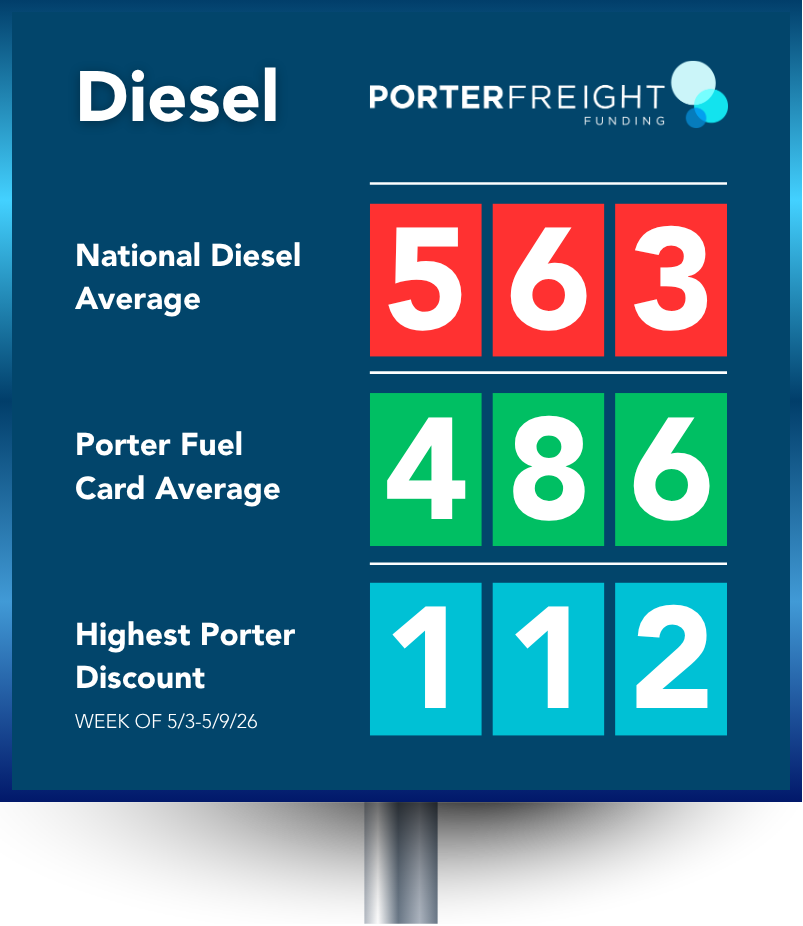
The Porter Freight Funding fuel card program helps carriers save at thousands of fuel locations nationwide while giving trucking companies better visibility into fuel spending and operating expenses.
Many new authorities also search for ways to lower startup expenses, improve fuel efficiency, and avoid using high-interest credit cards for fuel purchases.
4. Cash Flow Problems Start Almost Immediately
One of the biggest shocks for new authorities is learning how long brokers take to pay.
Most freight brokers pay invoices in:
- 30 days
- 45 days
- Sometimes longer
Unfortunately, your expenses do not wait.
Truck payments, insurance, fuel, repairs, payroll, and maintenance all continue immediately after hauling the load.
This creates one of the biggest challenges for new trucking companies: trucking cash flow management.
Many carriers begin researching:
- what is freight factoring
- same-day freight factoring
- new authority factoring companies
- invoice factoring for trucking
- broker payment solutions
Without strong cash flow, many trucking companies struggle during their first year even if they are booking loads consistently.
5. Why Many New Authorities Use Freight Factoring
Freight factoring helps trucking companies get paid faster instead of waiting weeks for brokers to pay invoices.
With freight factoring for new authorities:
- You deliver the load
- You submit the invoice
- The factoring company advances payment
- The broker pays later
For many new authorities, factoring helps stabilize operations during the most difficult growth phase.
Benefits of truck factoring services include:
- Faster access to cash
- Improved operational stability
- Fuel and repair coverage
- Less waiting on broker payments
- Collections assistance
- Broker credit monitoring
- Reduced administrative work
The New Authority Freight Factoring program from Porter Freight Funding was built specifically to help newer carriers improve cash flow while growing their business.
6. Broker Credit Checks Become Extremely Important
Not every broker is worth hauling for.
One unpaid invoice can seriously damage a new trucking company during the early stages of growth.
That’s why many owner-operators begin running broker credit checks before accepting loads.
Checking broker credit can help carriers:
- Avoid slow-paying brokers
- Reduce payment problems
- Protect business operations
- Make smarter dispatch decisions
- Avoid freight fraud risks
Through PorterGO mobile app, carriers can run broker credit checks directly from mobile or desktop.
95% of credit checks are completed in under 2 minutes.
For new authorities, this can become one of the most valuable tools for reducing risk before hauling freight.
Related: How to Run Credit Checks in PorterGO
7. FMCSA Compliance Does Not Stop After Activation
Many new trucking companies think the hardest part is getting authority approved.
In reality, compliance responsibilities continue after your MC number becomes active.
New authorities must maintain:
- Driver qualification files
- ELD compliance
- Hours of service records
- Drug and alcohol consortium enrollment
- IFTA reporting
- Insurance compliance
- Unified Carrier Registration (UCR)
- Safety documentation
Most carriers will also face a New Entrant Safety Audit during their first year.
Staying organized early can help prevent violations, penalties, and operational interruptions.
Many new authorities also search for:
- DOT vs MC number
- FMCSA compliance checklist
- trucking compliance requirements
- DOT audit preparation
- new entrant safety audit tips
8. What Successful New Authorities Focus on First
The trucking companies that survive long term usually focus on building stable systems early.
That means prioritizing:
- Reliable freight
- Fuel savings
- Cash flow management
- Compliance
- Broker relationships
- Risk reduction
- Operational efficiency
Instead of chasing every load, successful new authorities focus on building consistency and protecting profitability.
Using the right tools and partners early can make a major difference during the first year of operation.
Need Help After Your MC Number Goes Active?
Porter Freight Funding helps new trucking companies with:
- new authority freight factoring
- fuel cards for trucking companies
- broker credit checks
- faster invoice payments
- collections support
- 24/7 account access through PorterGO mobile app
Whether you’re booking your first load or trying to improve trucking cash flow during your first year, Porter Freight Funding helps owner-operators and fleets keep trucks moving and businesses growing.