Smart carriers are beating high diesel prices with two strategies: (1) planning fuel stops by price before leaving the yard and topping off at the cheapest location on the route, and (2) benchmarking their average price per gallon every month to measure savings and identify overspending drivers. The Porter Fuel Card delivers discounted diesel at thousands of locations, the PorterGo app automatically routes drivers to the cheapest fuel on their route, and Porter Wallet 24/7 Advances ensure cash flow never forces a bad fuel decision.
Diesel prices are up. Way up. And if you’re running trucks, you already know that fuel is one of the biggest line items eating into your margins. But here’s what separates the carriers who are quietly winning right now from the ones who are just absorbing the pain: they’re not guessing. They have a system.
If you’ve been searching for real fleet fuel management tips that actually move the needle — not generic advice about tire pressure — you’re in the right place. These are two specific, actionable strategies that fleet owners and owner-operators are using right now to shave thousands off their annual fuel spend, and the tools that make it possible.
Jump to the Good Stuff
Strategy #1 — Stop Fueling on Convenience. Start Fueling on Strategy.
Here’s the hard truth about how to reduce diesel costs for trucking: most drivers fuel when the tank is low or when it’s convenient. That means they’re pulling into whatever truck stop is visible when the needle drops — even if they passed the cheapest diesel on the route an hour ago.
That’s not a driver problem. That’s a planning problem.
Here’s what smart carriers tell their drivers to do instead:
Plan your fuel stops before you leave the yard. Before your driver turns a single wheel, they should know exactly where the cheapest diesel is along their route and plan to fuel there — with as many gallons as the tank will hold.
The math is simple: if your driver can fill 150 gallons at a stop that’s $0.15/gallon cheaper than average, that’s $22.50 saved on one fill. Multiply that across one driver’s weekly fills for a year and you’re looking at over $1,000 per truck — without changing a single load.
Tell your drivers specifically what to do:
- Use a fuel optimization tool before every dispatch to identify the cheapest diesel on their route
- Top off the tank at the cheapest stop — even if they’re not running low yet
- Never fuel based on convenience alone; fuel based on price and route position
One of the most overlooked fleet fuel management tips is also the simplest: the driver who plans their fuel stop from the yard beats the driver who reacts at the pump every single time.
The Porter Fuel Card makes this strategy even more powerful. It gives your drivers access to discounted diesel at thousands of locations nationwide — real trucking fuel card savings that show up on every single transaction. And when your drivers use the PorterGo app, it automatically routes them to the cheapest diesel along their route. No manual research, no guessing, no leaving money at the pump. The app does the planning for them.
Your drivers know exactly where to stop, they’re already getting a discount when they do, and they’re taking the most cost-efficient path to get there. That’s a triple win on every single fill.
Strategy #2 — Benchmark Your Average Price Per Gallon Every Single Month
You cannot manage what you don’t measure.
This is the strategy almost no one is doing — and it’s the reason most fleets have no idea whether they’re overspending on fuel or not.
Especially right now, when diesel prices are bouncing week to week, you need a baseline to compare against. It’s one of the most high-impact fleet fuel management tips that costs you nothing but 20 minutes a month.
Here’s what to do:
Step 1:
Calculate your average price per gallon (PPG) right now. Pull your last 30 days of fuel receipts or card data. Total the dollars spent on diesel. Divide by total gallons purchased. That’s your current average PPG. Write it down.
Step 2:
Track it every month from here on out. Set a recurring reminder. Run the same calculation. Log it in a simple spreadsheet.
Step 3:
Use it to manage your drivers. If prices are rising across the board but your average PPG is rising faster than the market average — you have a problem, and now you can identify which drivers are fueling inefficiently. If your PPG is rising slower than the market? Your strategy is working, and you can prove it with numbers.
This monthly benchmark is your early warning system and one of the clearest answers to the question of how to reduce diesel costs for trucking over the long haul. It tells you:
- Whether your fuel program is actually saving money
- Which drivers need coaching on fuel stop selection
- Whether a volatile market is hurting you more or less than your competitors
The Porter Fuel Card makes benchmarking effortless — your transaction data is organized, trackable, and downloadable. No more digging through paper receipts or guessing at totals. Your PPG data is right there, ready to analyze every month.
And here’s something equally critical: when cash flow gets tight — especially as you’re paying for fuel before freight pays out — a freight factoring cash advance gives you immediate access to funds so your drivers are never sitting idle waiting for a load to settle. The Porter Wallet 24/7 advances are exactly that: factoring-backed cash available around the clock so you can fuel when it’s cheapest, not when you can finally afford to. That’s the difference between reactive and strategic fleet management.
Why These Two Strategies Work Together
Fueling strategically lowers your PPG. Tracking your PPG proves it’s working — and reveals where it isn’t. Together, they create a feedback loop that compounds over time and gives you a real answer to how to reduce diesel costs for trucking at scale.
A carrier running 5 trucks who implements both strategies could realistically save $5,000–$10,000+ per year. Not from magic — from measurement and intention.
The Tools That Make It Happen: Porter Fuel Card + Porter Wallet
You don’t need to overhaul your operation. You need two things:
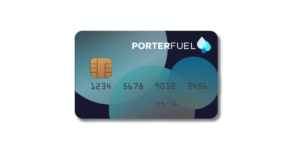
The Porter Fuel Card
Discounted diesel at thousands of locations, detailed transaction reporting, and the visibility your drivers need to fuel smart. The trucking fuel card savings add up fast: lower PPG on every fill, cleaner data for your monthly benchmark, and less money left on the table at every stop.
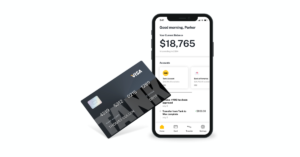
Porter Wallet 24/7 Advances
A freight factoring cash advance available around the clock so your cash flow never forces a bad fuel decision. Fuel when it’s cheapest, not when you’re desperate. Your drivers stay moving, and your margins stay protected.
Together, these tools don’t just save you money — they give you control over one of your largest expenses, in one of the most volatile fuel markets in recent memory.