
Fuel Card Built for Reefer Trucking Companies
Porter Fuel Card
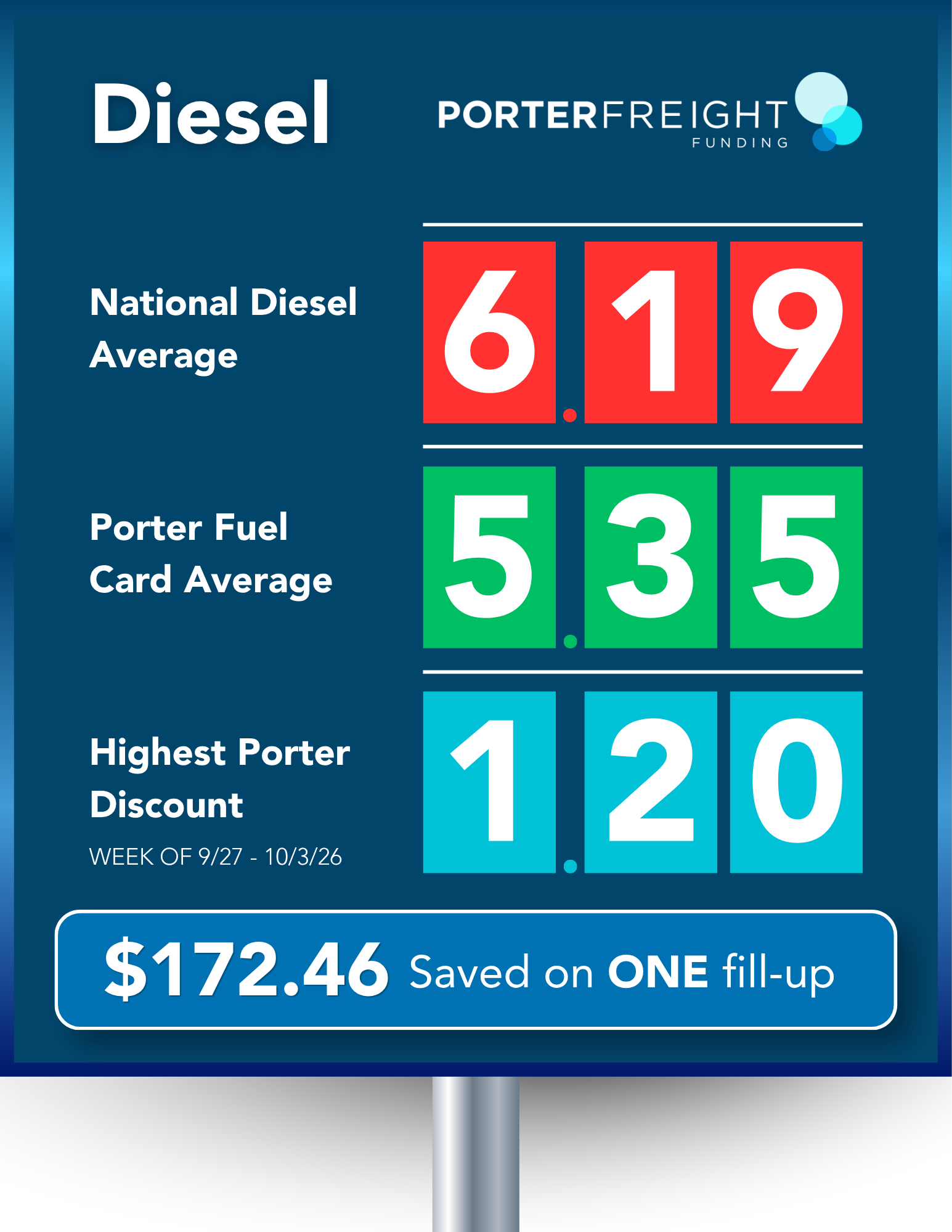
Reefer trucking companies face higher fuel costs than most carriers due to both truck diesel consumption and continuous reefer unit operation. A fuel card designed for reefer trucking helps reduce cost per gallon, improve cash flow, and give carriers real-time visibility into fuel spend.

Why Reefer Fuel Costs Are Higher Than Other Trucking Segments
If you run reefer, you already know—fuel hits different.
You’re not just powering your truck.
You’re also running a refrigerated unit that burns fuel around the clock to keep loads at temperature.
That means:
- Higher total fuel consumption per load
- More frequent fill-ups
- Tighter margins compared to dry van or flatbed
- Less room for error when diesel prices spike
For many reefer carriers, fuel is the largest operating expense, and one of the hardest to control without the right tools.
How Much Fuel Does a Reefer Trailer Use?
Reefer units don’t take breaks.
On average, a refrigerated trailer burns:
- 0.5 to 1 gallon of diesel per hour depending on conditions
- More in extreme heat or cold
- Even more during continuous operation on long hauls
Over the course of a single load, that adds up fast.
When you combine:
- Truck fuel
- Reefer unit fuel
- Idle time
👉 Your true cost per mile is significantly higher than most carriers realize.
The Real Problem: Fuel Costs + Delayed Payments
Here’s where reefer carriers feel it the most: Fuel costs hit immediately, but broker payments come 30–60+ days later.
That gap creates pressure:
How the Right Fuel Card Protects Reefer Margins
A standard fuel card isn’t enough for reefer operations.
You need a solution that works with your cash flow, not against it.
The Porter Fuel Card is built for carriers running high fuel volumes:
Built for Reefer Carriers Who Can’t Afford to Guess
Reefer trucking doesn’t leave room for uncertainty.
You need:
- Predictable fuel costs
- Reliable access to cash flow
- Tools that work every day—not just when things go wrong
That’s exactly what Porter is built for.
Get a Fuel Card Built for Reefer Trucking
Stop letting fuel costs control your margins.
Start using tools designed to help you stay profitable—even when diesel prices rise.
👉 Apply for the Porter Fuel Card today
👉 Get access to fuel discounts + 24/7 advances
👉 Keep your trucks moving and your cash flow strong
Already factoring with Porter? Your fuel card is included. Learn about reefer freight factoring →
Frequently Asked Questions About Fuel Cards for Reefer Trucking
Fuel Resources for Truckers
Dyed Diesel Executive Order: What It Really Means at the Pump
Last updated: October 7, 2026 Here's the short answer: a recent federal executive order allows trucking companies to use red-dyed diesel on the road through December 31, 2026. But [...]
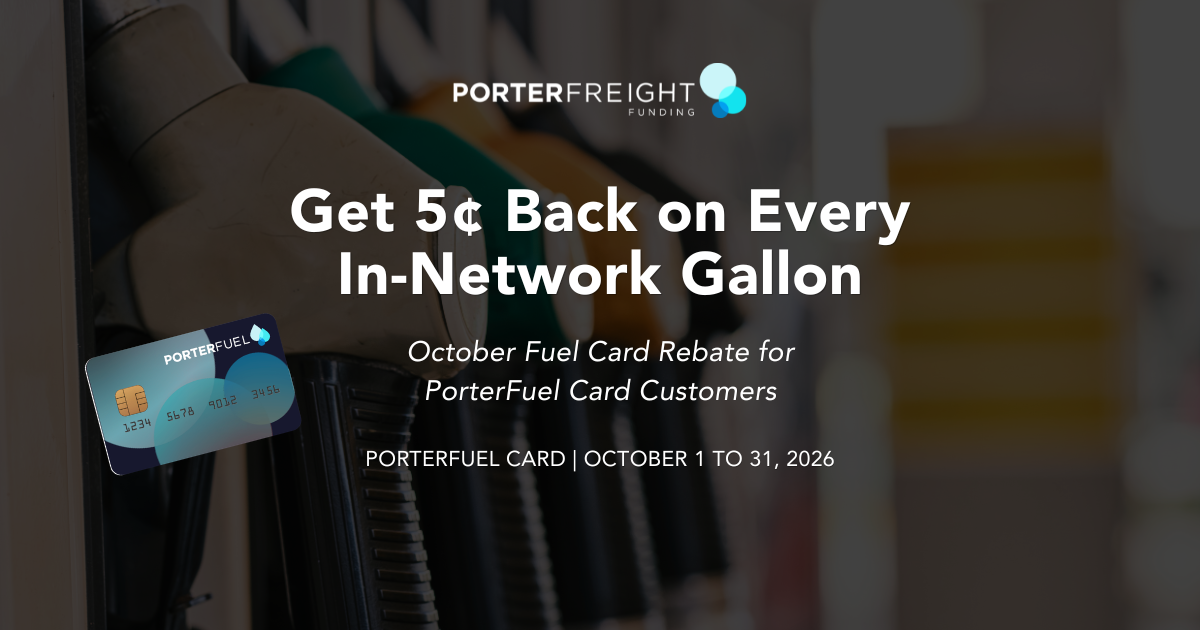
October Fuel Card Rebate: Get 5¢ Back on Every In-Network Gallon
Last updated: October 2, 2026 Here's the short version: if you have a PorterFuel Card, every In-Network gallon you buy in October earns you an extra 5¢ back. [...]

Why Small Fleets Are Switching to Porter Freight Funding
If you've been hauling freight for any length of time, you know your freight factoring company can make or break your cash flow. The right partner pays fast, [...]